
Program 01
Organization Building & Institutionalization
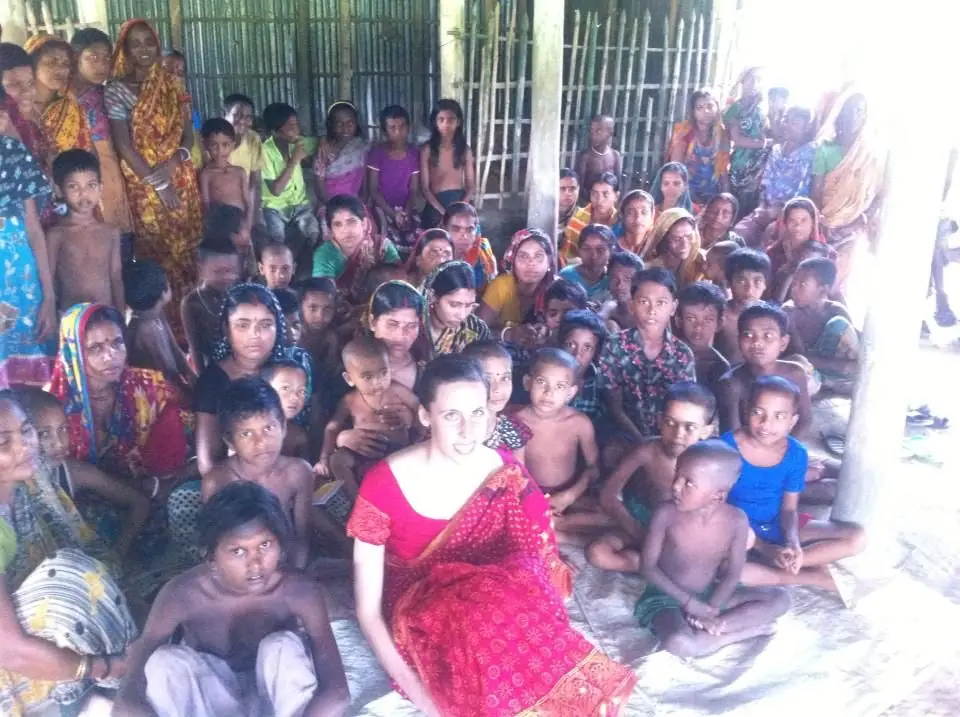
Uniting isolated and hardcore-poor households into groups and federations that save together, learn together and negotiate together.
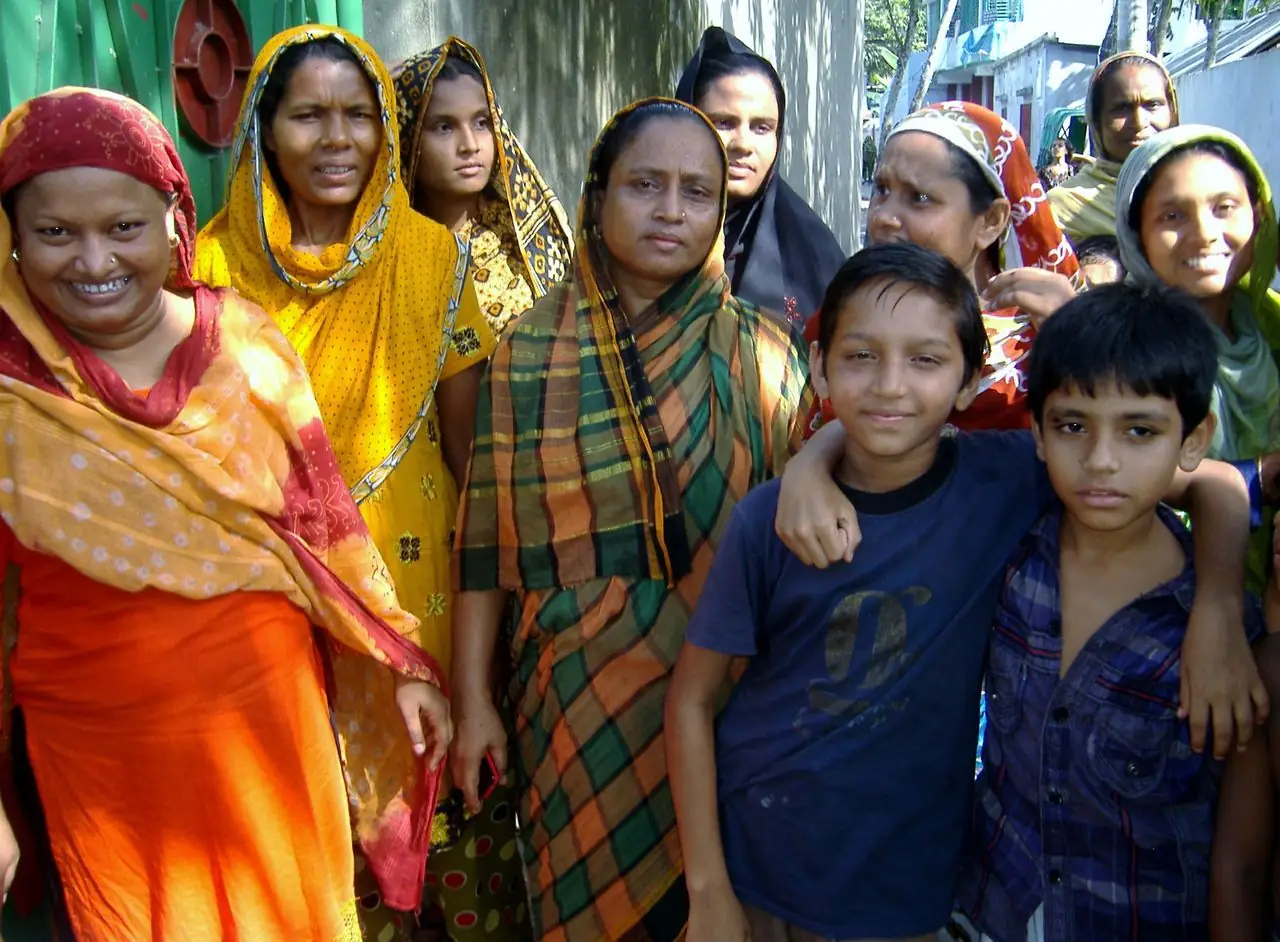
For over three decades, RUSTIC has stood beside the poorest communities of coastal Bangladesh — women, children, marginal farmers and climate-hit families — turning local resources and their own will into education, food security, clean energy and a voice in how they are governed.
The south-west of Bangladesh has endured at least five major cyclones in fifteen years — Sidr, Aila, Amphan and more. Embankments built to hold back the sea have flooded farmland; rising salinity has turned fields barren; and the distance from Dhaka has left the region short of schools, hospitals and jobs.
In 1988 a group of social activists decided that solutions would have to come from inside the region, not from far away. RUSTIC grew out of that decision — a voluntary organization of and for the people of the delta, working so that the poorest, irrespective of race, caste or creed, can stand financially, socially and culturally on their own.
"Poverty alleviation is well-known to the poor — only assistance is required. Our vision is an equitable and just society, where dignity and opportunity make no distinction of race, colour or creed."
Every project RUSTIC runs supports the same cross-cutting commitments: women's rights, child's rights, a safe environment, and poverty reduction.
Uniting isolated and hardcore-poor households into groups and federations that save together, learn together and negotiate together.
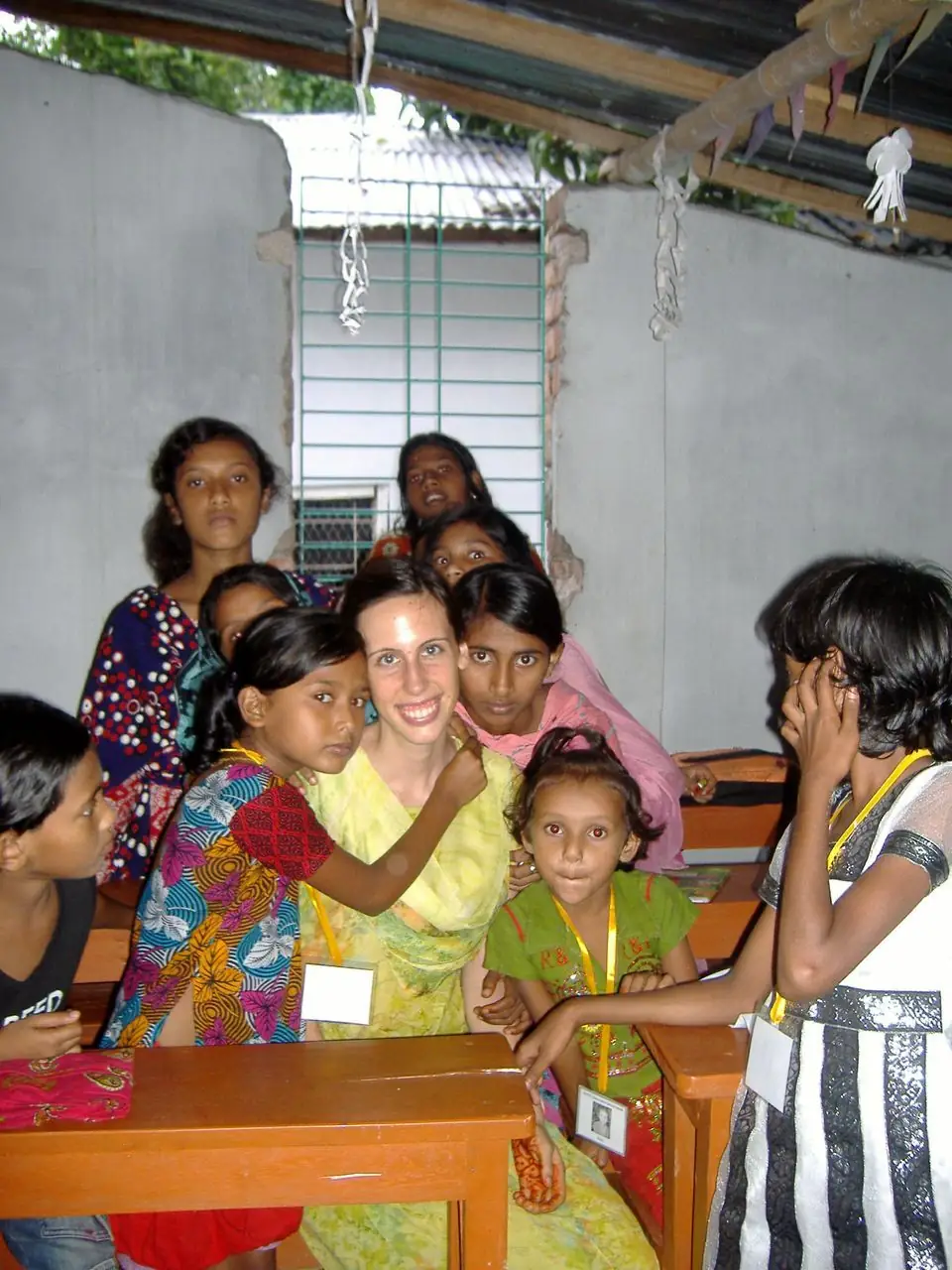
Non-formal education and vocational training for girls, slum dwellers and child labourers — turning dropouts into earners and leaders.
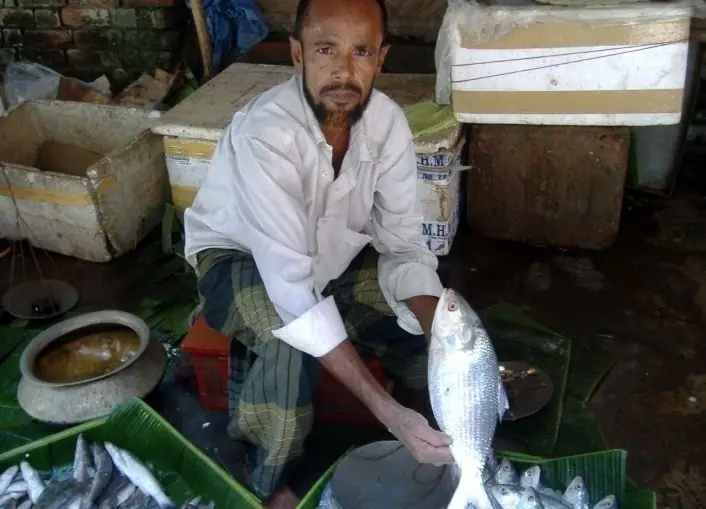
Organic farming, aquaculture, livestock and micro-entrepreneurship that let families feed themselves and earn an income on land others had written off.
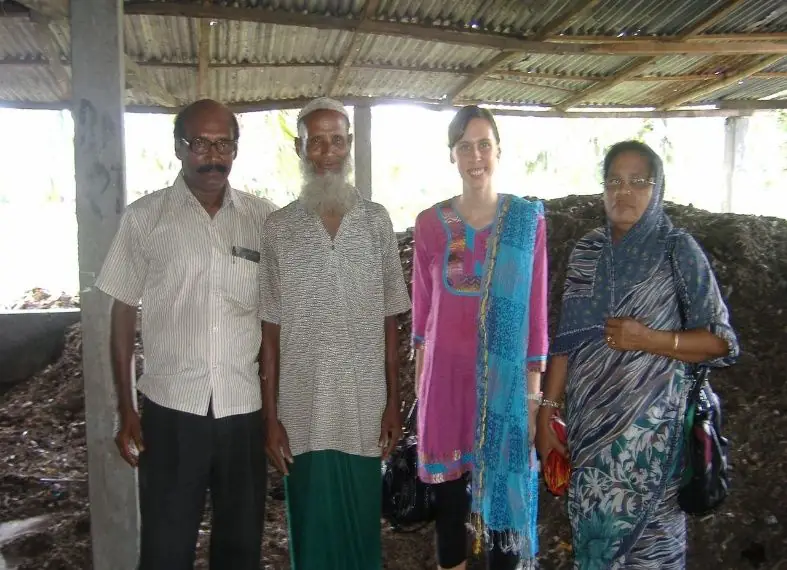
Turning the region's biggest threats into assets — waste into compost, dung into gas, smoke into clean stoves, and bare land into forest.
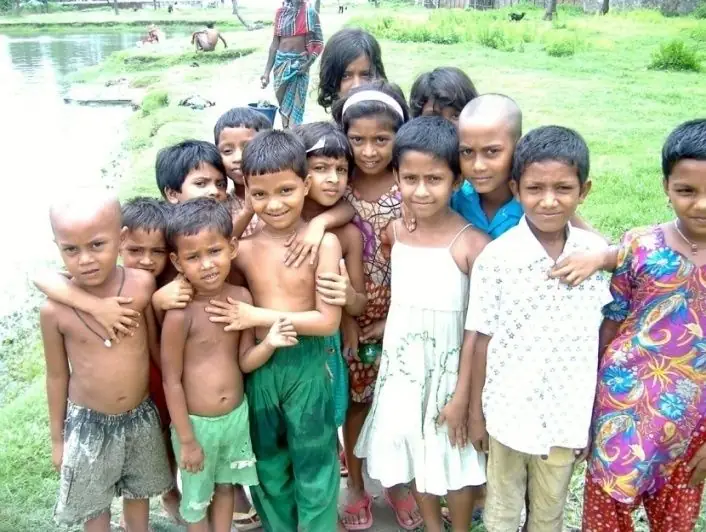
Protecting the rights of children, women and the elderly, and delivering primary healthcare, safe water and hygiene where the state cannot reach.
Case studies, numbers and photographs from the field — from 4,580 group members to 720 child labourers back in school.
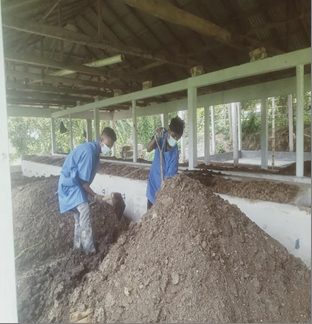
At Shahpur Bazar, Dumuria, RUSTIC opened a new compost production plant that collects organic market waste and turns it into high-quality, eco-friendly compost for the farmers of Khulna, Bagerhat and Satkhira.
The plant does three things at once: it keeps thousands of tons of waste out of landfills, it gives farmers an affordable alternative to chemical fertilizer, and it creates income-generating work for young and underprivileged people of the area.
These are not separate projects. Every group, every school, every stove and every loan serves one or more of these cross-cutting issues.
Gender equality, economic self-reliance for poor women, and a congenial atmosphere for women in family, society and state.
Four basic principles: the right to live, to development and education, to safety, and to participation.
Every sphere of life and livelihood reduced against climate risk, less carbon, and stronger local adaptation capacity.
Minimum standards of basic human rights — food, shelter, treatment, education and recreation — and the skills to go beyond them.
Your support reaches the ground directly — through RUSTIC's own field teams in Khulna, Bagerhat and Satkhira.