
Five programs, one purpose
Every project RUSTIC implements is a response to the ground reality of the coast — tested with communities, kept alive by local resources, and accountable to the people it serves.
Organization Building & Institutionalization
The poorest are strong when they are many. RUSTIC unites isolated and hardcore-poor households into groups, federations and cooperatives — so they can save, learn and negotiate as one.
RUSTIC's primary target groups are the isolated poor and hardcore-poor grassroots families. The programme runs in two steps: enhancing groups of the poor, and building unity among local development initiators. Members are challenged to critically analyse their own situation, then become involved in skill development, income-generating activities and savings management.
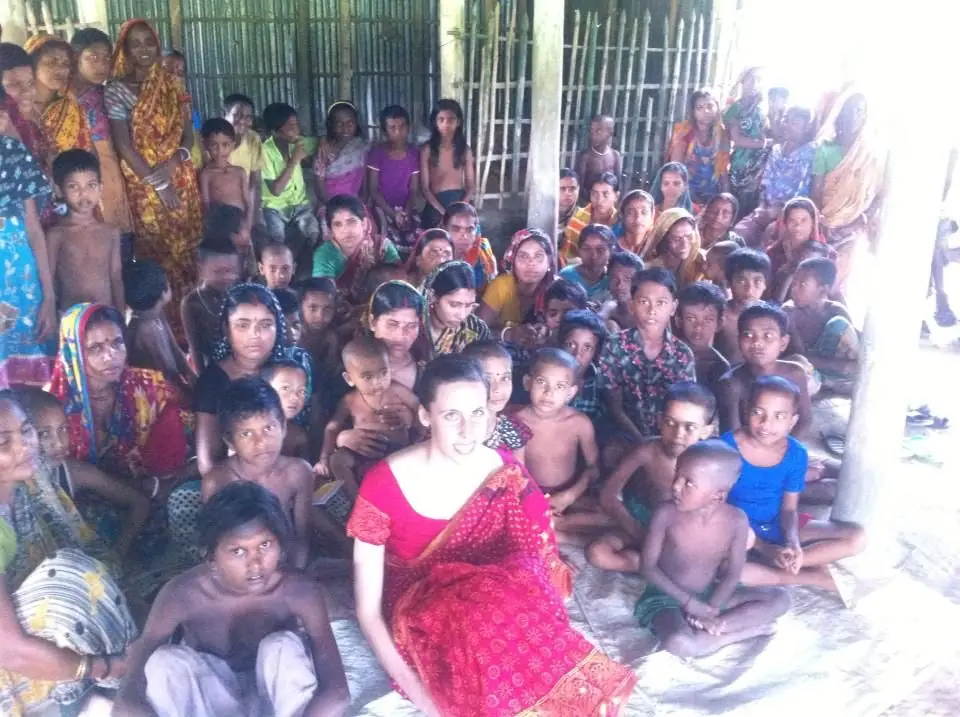
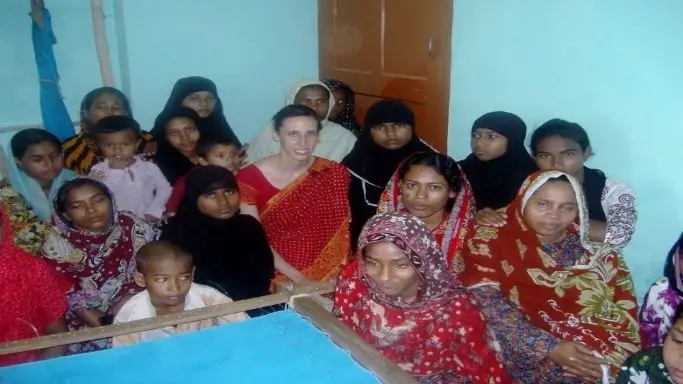
Groups unite further into federations at village and union level; heads receive leadership training while members take part in awareness sessions on women's rights, child's rights, safe environment and poverty reduction. Today RUSTIC supports 4,580 underprivileged people through 243 female and male groups, each of about 20 members gathering weekly for meetings and money saving.
Key initiatives
- Local Resource Mobilization — financed by Ashoka Innovators for the Public (USA), building self-reliance that continues after project end.
- Cooperative of Farmers — a local farmers' association that markets products, eases short-term capital crises and ensures fair prices.
- Voter Education — with development partner BROTEE (2005–2009), voter awareness and pre/post-election observation for women and minorities.
- Local Government Strength — widening people's access to and involvement in governance.
- Networking — including founding CEDAB, a climate-change network of 38 NGOs since 2008.
- Morrelgonj Project — a three-year programme supporting over 2,800 vulnerable women after cyclone disaster.
Education & Human Resource Development
Education is the surest tool against poverty. RUSTIC has run non-formal schools and vocational training since its inception — for the children and adults the system had left behind.
From the outset RUSTIC provided non-formal education and vocational training to socially marginalized sweeper and town-scavenger communities around Khulna City Corporation. Adults learned through literacy centres; the programme was later replicated with support from BRAC's NFPE, PROSHIKA and the Government (1997–2002). After official project end, RUSTIC kept three centres running with its own resources.
Adolescent girls of Sonadanga
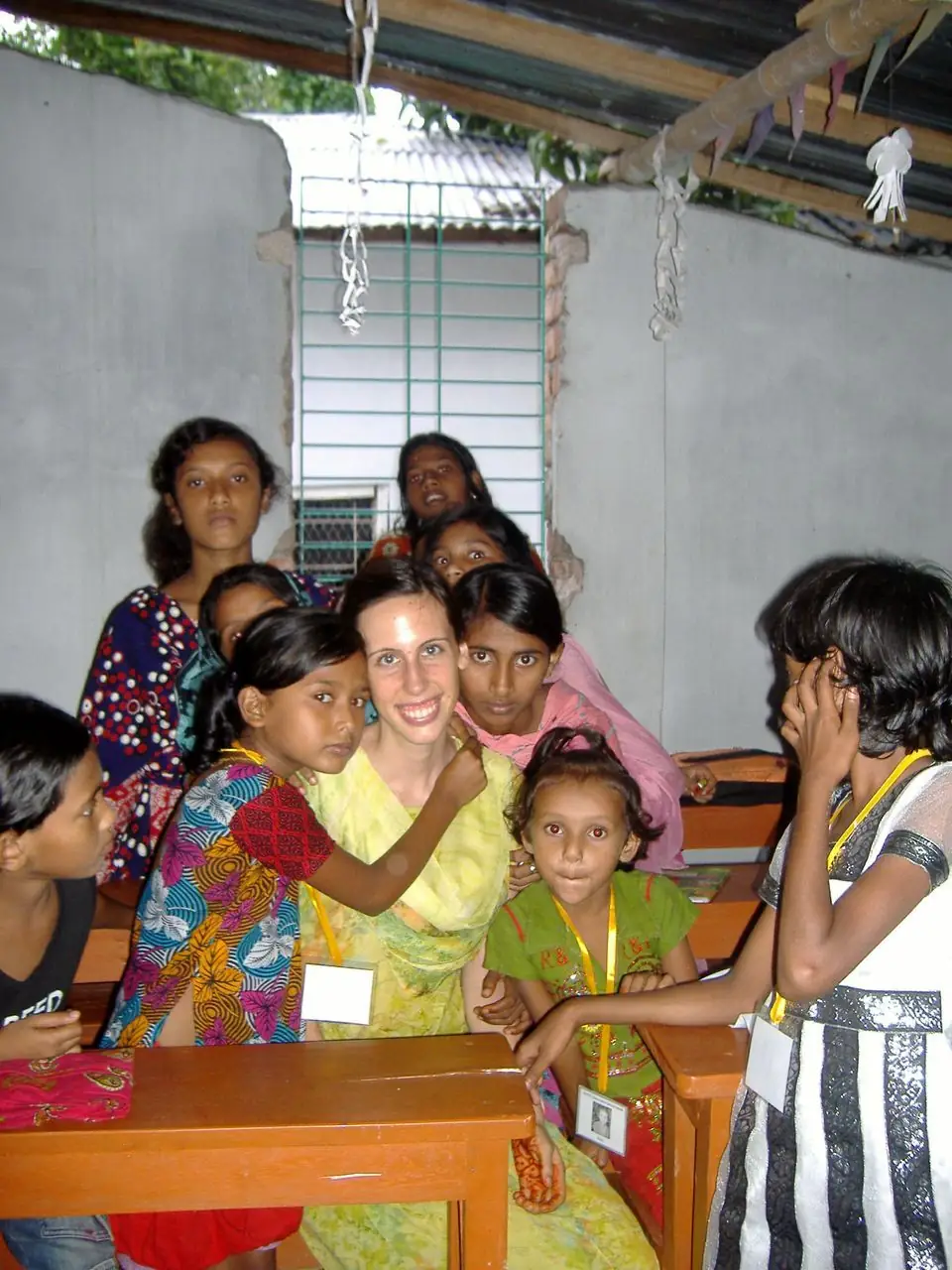
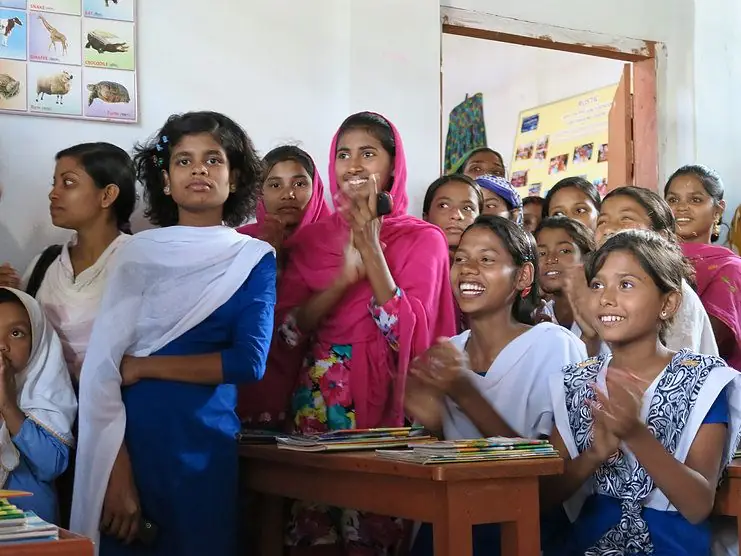
Since 2007, RUSTIC — supported by Seven Hills Global Outreach since 2011 — runs a school and vocational centre for 40 slum-dwelling adolescent girls threatened with social vulnerability. A programme officer, three teacher-trainers and support staff deliver education, tailoring, handicraft and boutique training, with a goal of IT-based skills, sound health and nutrition.
Ending hazardous child labour
In September 2006, with Ministry of Labour financing, RUSTIC launched non-formal education in Daulatpur, Khulna. Two catchment centres educated 360 students each — 720 in total — removing children from the child-labour loop and placing them in better working environments once they became teenagers.
Food Security & Economic Self-Reliance
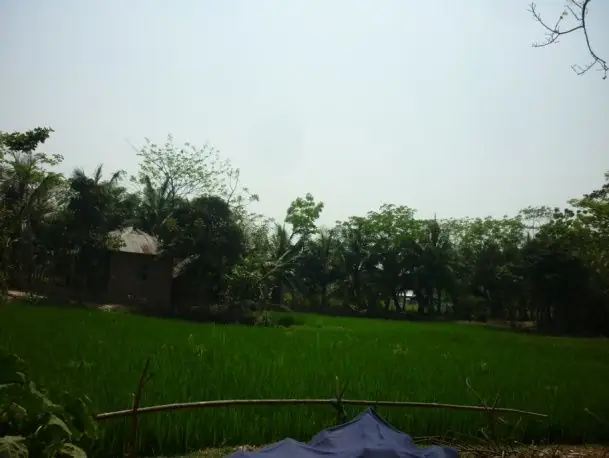
Almost half of Bangladesh lives below the poverty line — and the working areas of Khulna, Bagerhat and Satkhira face the added blows of cyclones, salinity and water logging. This programme rebuilds livelihoods land and markets had taken away.
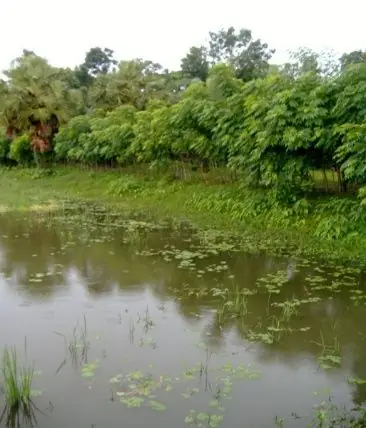
RUSTIC works through two major components — sustainable agriculture and micro-entrepreneurship — driven by innovation and technology transfer, alternative agriculture in waterlogged areas, and entrepreneurship.
Integrated organic farming & alternative agriculture
RUSTIC's flagship innovation: training on prawn-fish polyculture, fish in paddy land, homestead gardening, vegetable cultivation on pond banks, organic compost and livestock. Skill training on agro-based entrepreneurship, marketing and integrated pest management completes the picture.
Aquaculture
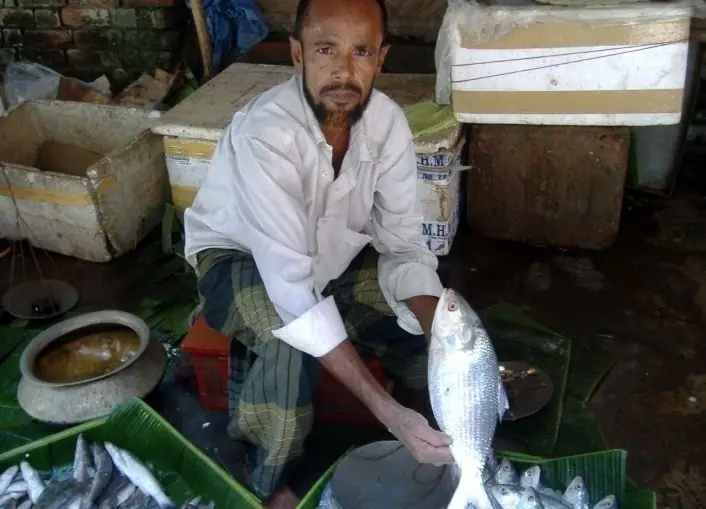
Fifteen years of experience across waterlogged areas — from prawn-fish polyculture with PROSHIKA, DAE and ASIRP, to cage aquaculture with CARE Bangladesh, and aseptic culture of prawn and shrimp with the Fisheries Ministry.
Livestock rearing
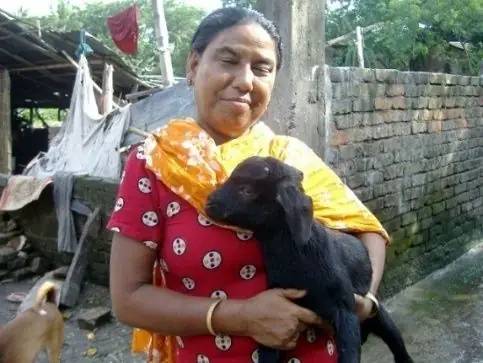
A small demonstration farm promotes goat rearing and beef fattening, following the Government's manual and encouraging others to do the same.
Micro-entrepreneurship
In rural areas, RUSTIC supports agro-based entrepreneurship through groups; in urban slums it takes an individual approach for trade and product-based ventures. The path is consistent: need-based skill training, accumulation of savings, operating a revolving loan fund, transferring assets among the hardcore poor, and opening market channels.
Climate Resilience & Environment Protection
The coast lives on the front line of climate change. RUSTIC answers by turning the region's threats into assets — waste into compost, dung into gas, smoke into clean stoves, and bare land into forest.
The Government of Bangladesh has recognized global warming as a priority issue in the Bangladesh Climate Change Strategy and Action Plan-2009. RUSTIC's record of carbon-reducing innovations spans more than two decades, in partnership with communities, NGOs and the Government.
Solid waste management
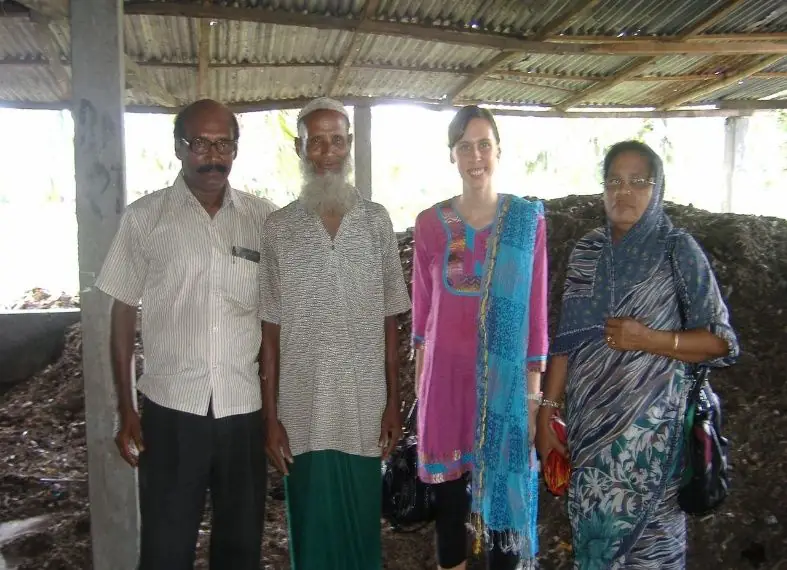
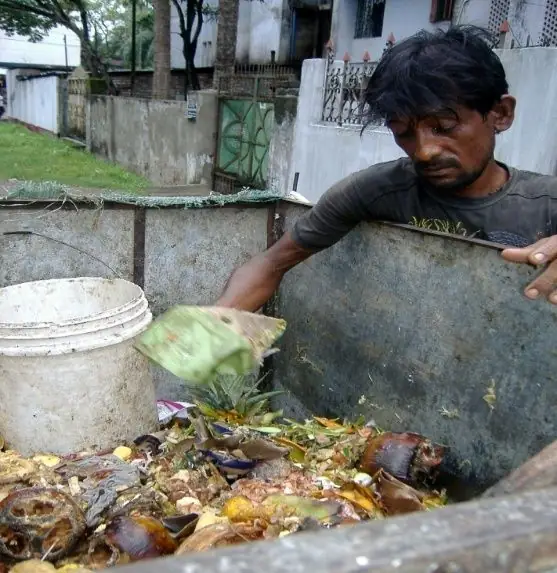
Running since 1997, the Community Based Municipal Solid Waste Management Project collects household garbage door to door across Khulna City Corporation. A plant on 47 decimals of land produces 1.6–1.8 metric tons of organic fertilizer and processes 3.0–3.5 metric tons of solid waste daily from 4,200 households. The innovation earned Chief Executive Moral Noor Mohammad recognition as an Ashoka Fellow, USA.
Vermicompost, snail diversity & clean stoves
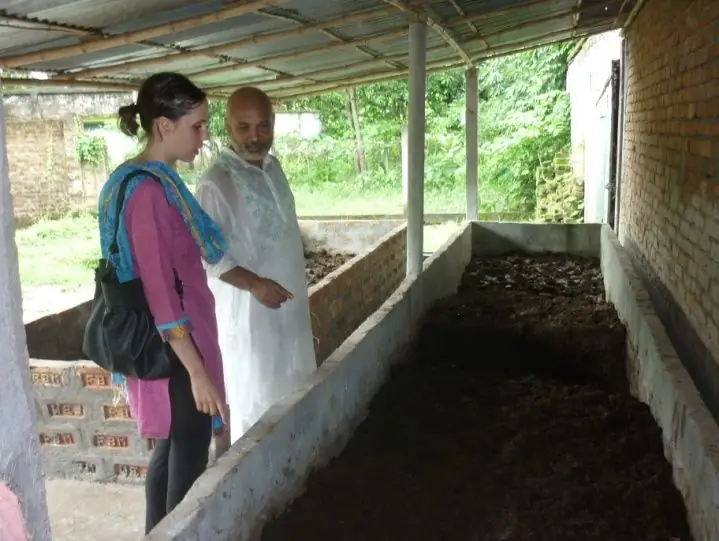
Vermicomposting recycles organic waste and protects aquatic biodiversity. RUSTIC's snail-diversity conservation, with UNDP's SEMP, protects a species that keeps wetlands healthy. And under the UPPR project, RUSTIC installed 6,200 improved cook stoves — economical and environment-friendly, cutting wood use and carbon emissions.
Biogas & water, sanitation
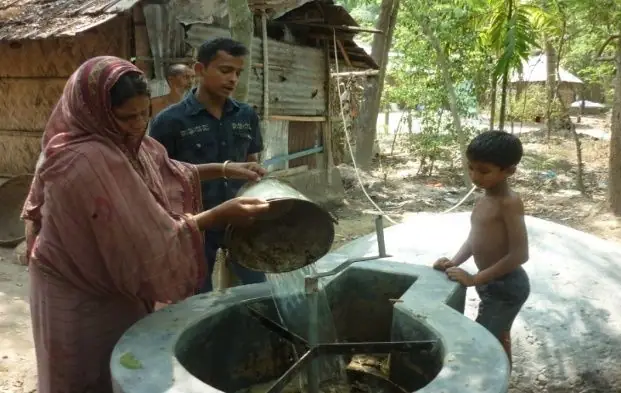
In 2012, 120 families received home-grown biogas plants through RUWPP, funded by PKSF and the Bangladesh Climate Change Trust Fund. On water and sanitation: 700+ families received sanitary toilets under UPPR; 360 families got fresh water with Seven Hills; and rain-water harvesting reached 30 families in Morrelgonj with the Bangladesh NGO Foundation. During Cyclones Bulbul and Amphan, RUSTIC was among the first to respond with rations and household repair for 360 families.
Forestry for carbon management
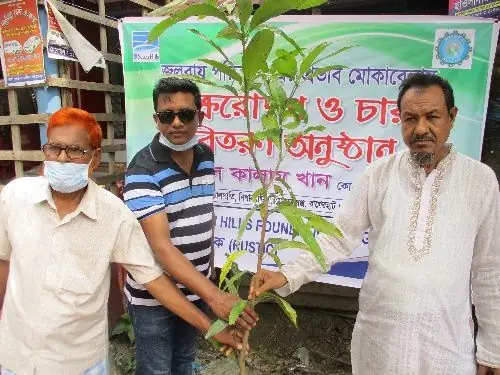
Since 1998, roadside and community afforestation — 16,500 mahogany, rain tree, chambal and neem saplings along 16.5 km — has helped raise forest coverage in the region from 9% to 14%. RUSTIC also leads advocacy against deforestation, including the movement against the Rampal coal-based power plant that threatens the Sundarbans.
Rights Protection & Healthcare
Most citizens of Bangladesh remain vulnerable in regard to human rights. RUSTIC gives particular weight to the rights of children, women and the elderly — and to the health of families the state cannot fully serve.
Child's rights
Through the 'Education of Hazardous Child Labour' project (2006), RUSTIC worked to prevent and eliminate the worst forms of child labour. The activities continue today, merged into RUSTIC's school programme.
Old welfare
The welfare of elderly people is often ignored in practical social work. RUSTIC runs awareness programmes on social and civic responsibility, working to build families and communities where the elderly find care, nursing, love and respect.
Primary healthcare
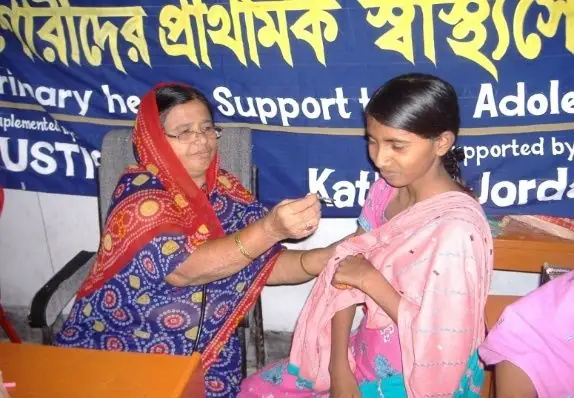
With healthcare too scarce in the public system and too costly in the private, RUSTIC provides primary healthcare for women and children — reducing health risk and expenditure for poor families, including through the adolescent girls' education centre.
Safe drinking water
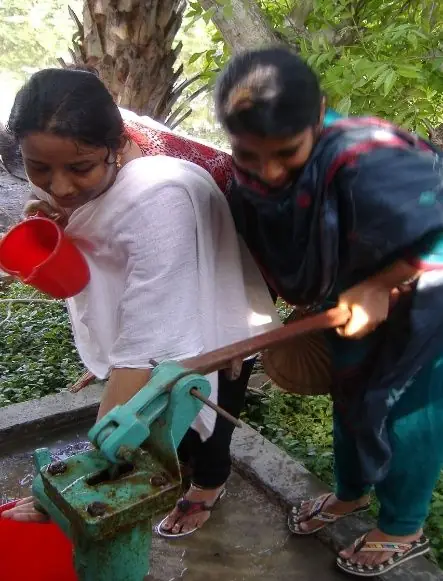
Salinity and arsenic make safe water scarce and tube-wells unaffordable. RUSTIC has facilitated safe drinking water and sewerage for poor and hardcore-poor families; SHGO recently joined by sinking a sweet-water tube-well at the school and vocational training centre.
See the numbers behind the work.
Where we work, whom we serve, and what 35 years on the ground has achieved.
Explore our impact